

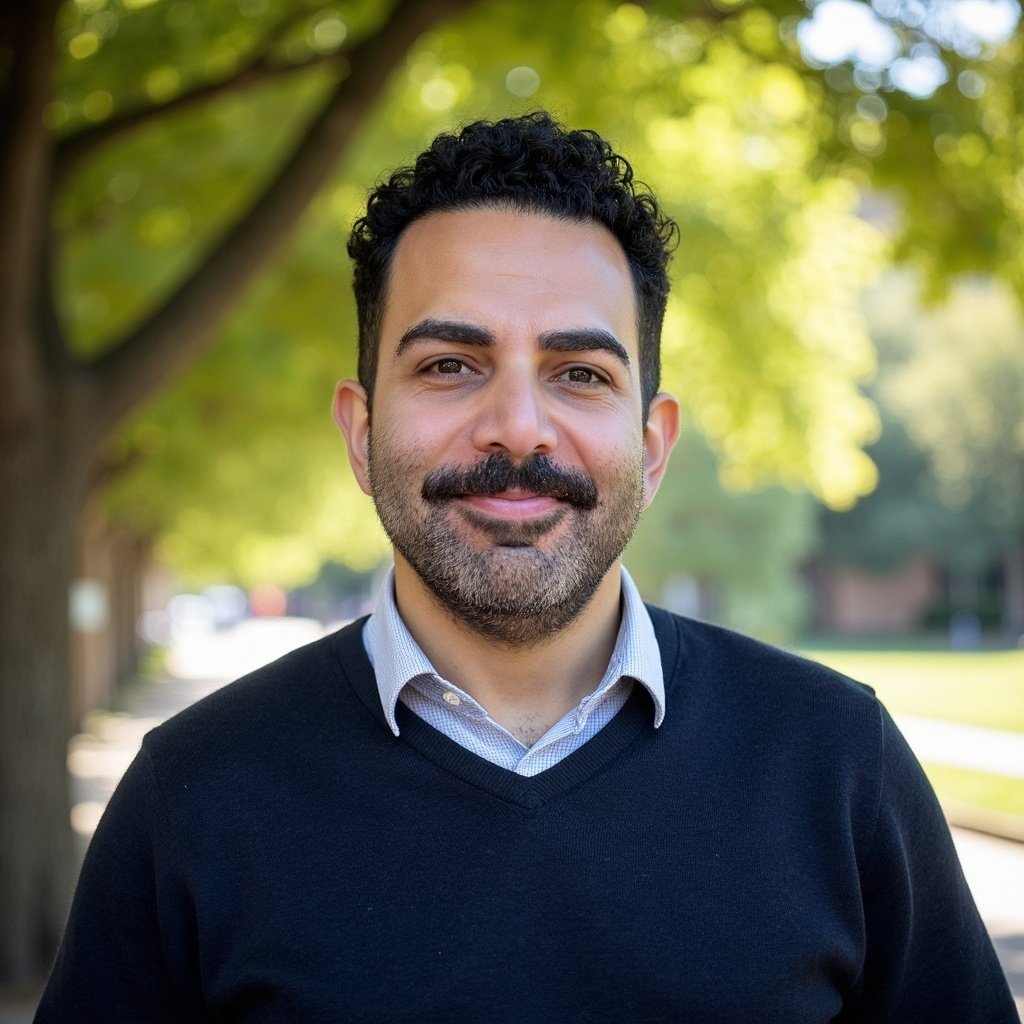
My Story
For the first decade of my career, I practiced psychiatry within a conventional framework. While I valued the work and saw the ways it could help people, I also came to recognize constraints of the traditional therapeutic frame—useful, but often too structured and compartmentalized to support the kind of expansive inner work my patients were seeking. There was a kind of work—more embodied, more exploratory, more connected to meaning—that I found myself longing to offer.
At the same time, my own inner life was undergoing its own expansion. Years spent developing my yoga and meditation practices began to show me how profoundly the body and breath shape the mind. Therapeutic experiences with ketamine and breath work opened yet another dimension of healing, one that allowed me to witness the transformative potential of expanded states when held with care and intention. And my growing engagement with Jungian thought helped me understand the psyche as something profound, sacred, and deeply connected—something that cannot be reduced to diagnosis alone.
My interest in mortality contemplation and end-of-life care emerged alongside these explorations. Sitting with impermanence—my own and others’—has been one of the most clarifying teachers: it invites us to ask what truly matters, what still calls to be lived, and how we might orient ourselves toward meaning rather than fear.
A near-death experience of my own ultimately brought all of these threads into sharper focus. It asked me, quite directly, who I wanted to be in my work and what kind of healing I felt called to offer. Contemplative Psychiatry is my answer to that question: a practice grounded in clinical training, enriched by contemplative and wisdom traditions, and oriented toward helping people encounter themselves more fully and honestly. It is, in many ways, the most authentic expression of the work I feel compelled to do.